Sweet Bean Paste — Durian Sukegawa
“You live your life the only way you know how. I am sure that one day, the time will come when you can say with conviction: ‘This is my life.’ You will stand tall, proud of who you are, even if you never become a writer or a master of dorayaki.”
This is an absolutely gorgeous read, but consider yourself warned: do not read it on a train, especially a Japanese one. You'll turn into a fountain of tears, drawing side-eyes from fellow passengers, and whispering "daijōbu" to them really won't help. 🤭
It's a deeply moving tale about exclusion. Much like the author's previous novel, The Cats of Shinjuku, it dives even deeper into the lives of the unwanted and those pushed to the margins of society.
"You live the only way you know how. I am sure there will come a day when you will say with conviction: 'This is my life.' You will stand tall, proud of who you are, even if you never become a writer or a dorayaki master."
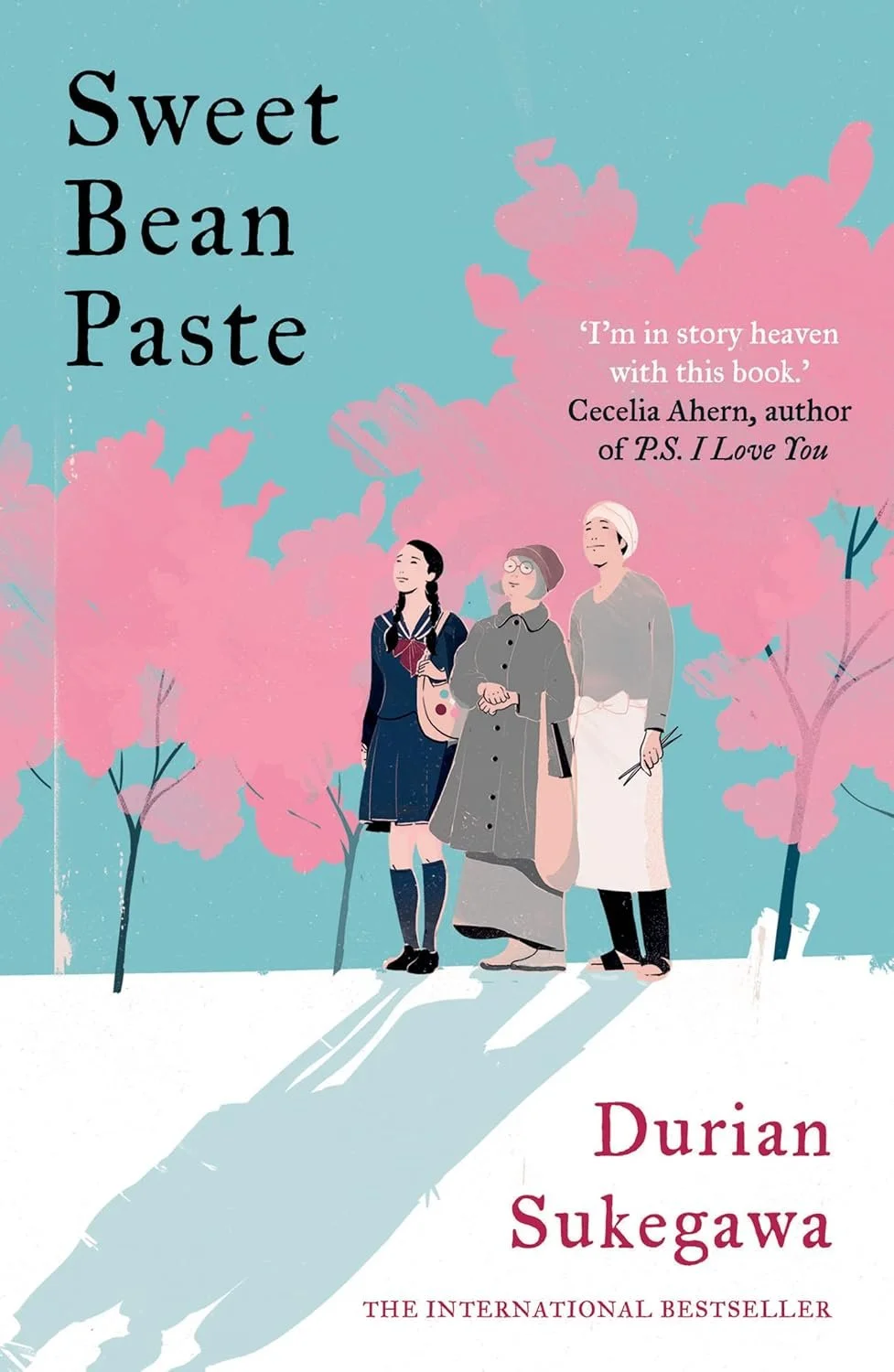
The main character, Sentaro—a guy with no formal education, a troubled past, and long-abandoned dreams of writing—works in a tiny shop selling dorayaki (traditional pancakes filled with sweet red bean paste). Business is slow, and he feels like life is just slipping through his fingers, while the blooming cherry blossoms serve as a cruel reminder of passing time. Everything shifts when an elderly woman, Tokue, steps into his shop. She doesn't just teach him the art of making the perfect filling; she brings a profound wisdom that alters the course of his life forever.
Sentaro constantly questions the point of living. The answer slowly reveals itself as he uncovers Tokue's past. Sukegawa's novel isn't just about pancakes; it’s a vital voice for people suffering from leprosy (Hansen’s disease), who were forced into isolated sanatoriums in Japan for decades. The fact that Japan didn't repeal the forced isolation law until 1996 makes this story even more heartbreaking. Realizing the weight of this systemic exclusion gives the book incredible depth. Despite surviving a severe illness and facing brutal societal rejection, Tokue refuses to give up—she desperately wants to live and find flavor and meaning in her existence. This completely shatters and rebuilds Sentaro's worldview.
It’s also fascinating how Tokue teaches the boy patience—she literally "listens to the voices of the beans." To us, constantly caught in the hustle of modern life, it might sound like pure madness, but here, it’s the most beautiful lesson in mindfulness. Tokue proves that everything around us holds a story and deserves respect. We so often treat our daily routines or jobs as a heavy chore, just as Sentaro did at first. Yet, this story reminds us that even in cooking, you can forge a deep connection with the world. It teaches us that passion doesn't have to be loud or flashy, and slowing down lets us see the details we usually miss. It’s exactly these little things that finally bring color to our "blank map."
I don't want to spoil it for you, but after reading this, you will definitely rethink the fragility of life and realize just how kind fate has been to us, especially when compared to Tokue's journey. It’s a profound reminder of what truly matters, especially when life's hardships and societal prejudices put us to the test.
When I closed the book, I felt this overwhelming wave of gratitude for my everyday life and the freedom I get to enjoy. It left me with one crystal-clear thought: everyone we cross paths with carries their own invisible burdens and deserves our warmth. I cannot recommend this journey enough—just make sure you have those tissues ready!
