Princess Mononoke
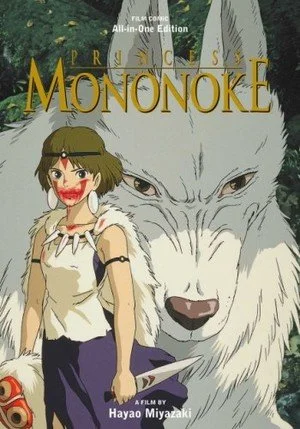
Why the Ending of "Princess Mononoke" Feels Like a Betrayal
(And Why Miyazaki Intended It That Way)
Have you ever returned to a film from your past with the absolute certainty of its tragic finale, only to discover that the reality on screen is entirely different?
For years, I lived under the conviction that the conclusion of Princess Mononoke was an unmitigated, ultimate catastrophe. In my memory, that viewing was etched as a dark, shattering parable of human greed, ruthless power, and the destructive nature of humanity—a tale where the characters had to pay the ultimate, fatal price.
The catalyst for diving back into this masterpiece was a piece of sorrowful news: on June 28, 2026, Akihiro Miwa passed away—the legendary Japanese artist who breathed life into the mighty wolf Moro in the original version. Meeting the vision and relentless demands of Hayao Miyazaki borders on a miracle, yet she achieved something truly extraordinary. She gifted Moro pride, a soul, and a piercing, feral depth. Wishing to pay tribute to her and rescue the memory of her artistry within myself, I decided to press play on this film once more.
And that was when a complete upheaval occurred. My long-held memories crumbled into dust. It turned out that Ashitaka, San, and even Lady Eboshi… had escaped with their lives.
In the first moment, I felt a wave of internal resistance, almost a sense of narrative betrayal. After all, their deaths seemed inevitable. Cosmic, historical justice practically demanded a bloody sacrifice for sins committed against nature. Yet, as the end credits began to roll across the screen, Miyazaki’s true, far more mature message finally unveiled its cards to me. By denying the viewer a spectacular catastrophe, the director strips away our easiest exit. The characters cannot die—because death would be too easy an absolution for them.
The Twilight of the Ancient Gods
Set against the backdrop of the Muromachi period, Princess Mononoke is a chronicle of a historical rupture. It is the moment when Japan irrevocably bids farewell to a mystical, untamed medieval era in favor of ruthless, early industrialization.
When blood spurts from the neck of the Forest Spirit, the ancient world dies right before our eyes. Powerful beast-gods lose their invulnerability when colliding with human iron. If Lady Eboshi and the people of Iron Town had been utterly wiped from the face of the earth by divine wrath, the film would have become merely a simple, traditional morality play. The ledger of grievances would be balanced, the account reset to zero, and we would leave the theater with a comfortable sense of poetic justice.
The Burden of Endurance
Miyazaki, however, rejects this easy satisfaction and condemns humanity to survival. By doing so, he places a staggering weight of responsibility directly upon their shoulders.
When, in the final scenes, a mutilated Lady Eboshi gazes upon the ashes of her empire, she does not hurl curses toward the heavens. She says calmly: “We'll start over. We'll build a better town.” There is no pride of victory in her words. It is a humble, bittersweet entry into the modern era. The gods have departed, and the magic has faded forever. Humanity no longer has an outside force to blame for its own sins, nor a cosmic protector to descend from the sky and mend their mistakes.
Why Did Our Memory Demand a Tragedy?
The co-founder of Studio Ghibli repeatedly emphasized that he despises black-and-white stories where humans and nature suddenly, in a naive embrace, begin to live in perfect symbiosis. As adult viewers, we are almost subconsciously programmed for a tragic catharsis. When the film denies us that radical severance—leaving San in the woods and Ashitaka among humans; bound by love, yet separated by worlds—our mind translates this deep, existential grief into physical death.
The reality created by Miyazaki is, however, far more demanding than a simple drama. We did not receive a tragedy. We received an uncompromising obligation to endure, and to try every single day to live just a little bit better. These words, in the wake of the great artist’s passing, resonate louder and truer today than ever before:
“Life is suffering. It is hard. The world is cursed. But still, you find reasons to keep living.”
Have you ever had the chance to touch this story? If so, what kind of impression did the film leave on you, and did your memory also demand a different, darker finale? Share your thoughts in the comments—I am incredibly curious about your impressions and how Miyazaki’s world resonates within you today.
