Soyangri Book Kitchen- Kim Jee Hye,
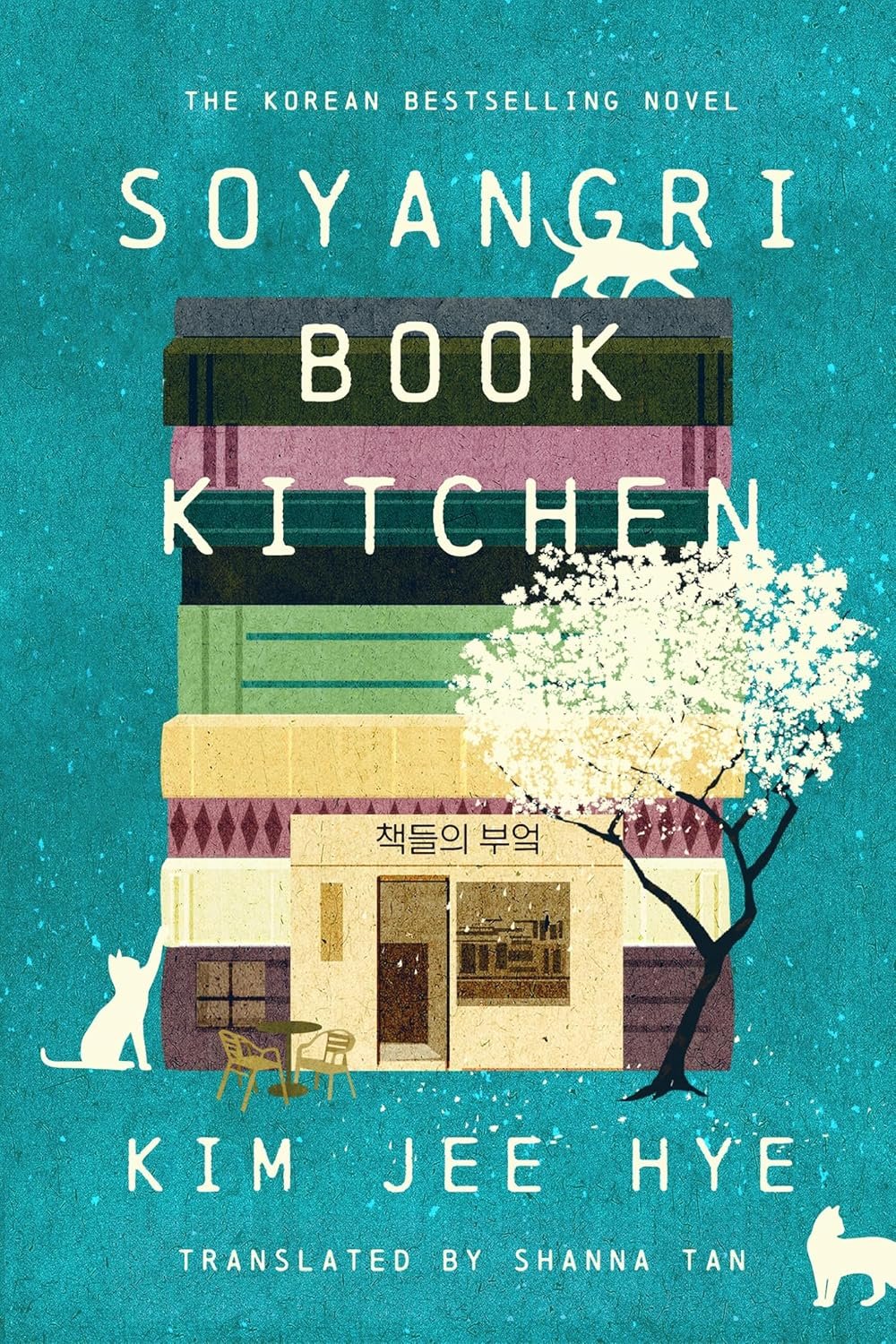
Korean "healing fiction" is flooding us with waves of peace, the smell of coffee, and rural idylls. But sometimes, beneath that aesthetic cover lies something that, instead of feeding the soul, serves only empty calories. That was exactly my experience with "Book’s Kitchen."
Yet another book from the healing fiction trend that promises bibliotherapy, tranquility, and finding oneself in the Korean wilderness. The scenario is familiar: Seoul, corporate burnout, an escape to the countryside, and opening a bookstore. It sounds like a plan for the perfect evening, but for me, this "kitchen" turned out to be completely dysfunctional.
The author’s main concept was to weave recommendations of other books into separate stories. And this is where my biggest gripe lies. I got the irresistible impression that Kim Jee-hye first made a list of books she wanted to cram into the text, and then forcibly stitched the characters' fates around them. As a result, the construction creaks, and the encounters with the guests of the Soyang-ri Book’s Kitchen seem like nothing more than a poor excuse for literary product placement. There is no flow here, only a mechanical ticking off of subsequent titles.
The worst part of it all, however, was the sense of emptiness. I found it exceptionally difficult to read—not because the language was demanding, but because it was sterile. It’s that specific feeling of listening to someone suffering from mythomania. The stories are supposedly nice, supposedly correct, but there is no truth felt in them at all. Everything is too polished, too unrealistic, devoid of any thematic weight. I looked for even one sentence that I could quote for you here. One thought that would stay with me. I found nothing.
Who is it for?
Despite everything, "Book’s Kitchen" might appeal to "recommendation collectors" looking for a ready-made list of classics and contemporary titles to check out, as this book is essentially one big catalog. It might also please fans of the "slow life" aesthetic, for whom the description of rustling leaves and brewing tea is enough to consider their time well spent. I, however, was looking for emotions, and what I got was a product trying very hard to pretend to be something deep.
✨ In Conclusion
As you know, I don’t give books ratings. Literature is too personal a matter to lock it within numbers. This time, however, "Book’s Kitchen" and I missed each other completely. And how do you feel about these Korean "comfort reads"? Do you feel authenticity in them, or just clever marketing?
