As for Me 早乙女カナコの場合はHitoshi Yazaki
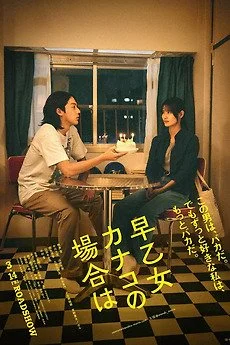
Some films stay with you not because they are extraordinary, but because one quiet moment suddenly feels uncomfortably true.
As for Me is a Japanese romantic drama about love that is technically right and emotionally exhausting at the same time. About relationships that look stable from the outside, yet slowly drift apart as two people grow in different directions. It follows Kanako Saotome, who meets Nagatsuda—an aspiring playwright—during her university years. They move in together, build a shared routine, and stay together for years. But while Kanako steadily moves toward a clear future—career, independence, structure—Nagatsuda remains suspended in endless talk and unfinished scripts.
The film spans a decade, showing how time doesn’t necessarily resolve doubts. Sometimes it only makes them louder.
I watched this movie mostly to listen to Japanese—the rhythm, the pauses, the everyday language. The film itself is fine. Calm, understated, with some genuinely good moments. But there was one scene that stopped me completely, and that’s the moment I want to focus on.
📓 The planner scene — and why it matters
Kanako’s senior colleague at work is everything we associate with control and structure. She’s organized, disciplined, and forward-thinking. At one point, she talks about a planner she loves—no longer in production. For her, it’s more than stationery; it’s a philosophy.
“Plan your life ten years ahead. Decide whether you want to own or rent, what kind of lifestyle you want. If you set your goals and plan backward, you’ll see what you need to do now.”
On paper, it’s flawless advice.
And yet—this same woman is emotionally shattered. She was supposed to get married that year. The man she planned her life with left her. Worse: he’s in love with Kanako.
She did everything “right.” And life still didn’t follow the plan. In a quiet, almost tender moment, Kanako suggests that she could simply make her own planner. The response is immediate and honest:
“But a completely blank notebook is a bit daunting.”
That line says everything.
A blank notebook means freedom—but also responsibility. No structure to hide behind. No predefined milestones. Just you, deciding what matters. Later, even when she finally gets the beloved planner, she chooses not to use it. Instead, she decides to create a new one herself.
We’re surrounded by end-of-year summaries, resolutions, productivity systems, life plans, and perfectly designed templates telling us how our lives should look.
This film gently reminds us of something else: You can plan carefully. You can be disciplined and consistent. And still—people leave. Feelings change. Environments shift. Life is not chess. It’s not a game you win by anticipating every move.Sometimes the bravest thing you can do is accept the blank page—even if it scares you.
✨ Final reflection
As for Me isn’t a groundbreaking film. But that planner scene is quietly profound. It suggests that maybe the goal isn’t to control life perfectly—but to leave enough space for it to surprise us.
So if your plans didn’t work out this year, if your goals shifted, if your carefully drawn map no longer fits the terrain—maybe you don’t need a better planner.
Maybe you just need the courage to start writing your own.
